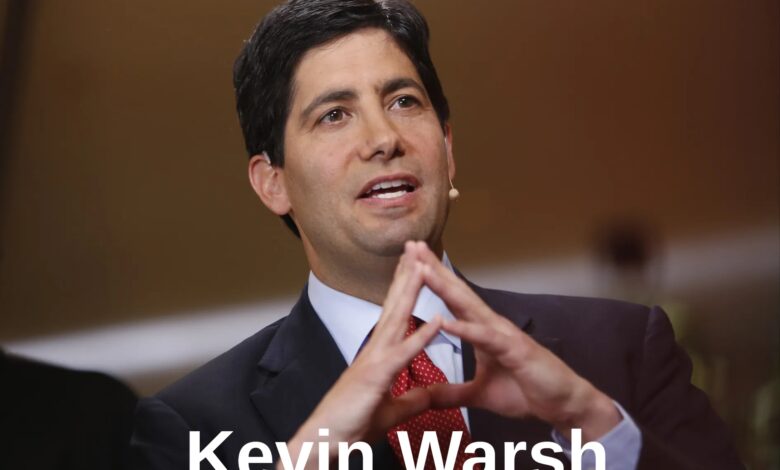
Introduction: Why Kevin Warsh Still Matters
Kevin Warsh is one of those names that quietly carries weight in economic and financial circles. While he may not dominate daily headlines the way some policymakers do, his influence on modern monetary thinking is undeniable. From central banking to global markets, Warsh has played roles that shaped how institutions respond to financial stress and economic uncertainty.
What makes Warsh particularly interesting is that he sits at the intersection of theory and practice. He is not just an academic economist, nor is he merely a government official. His career spans Wall Street, the Federal Reserve, and policy advisory roles, giving him a rare 360-degree view of how money, power, and policy interact in the real world.
In today’s environment—where inflation, interest rates, and central bank credibility are constant topics of debate—Kevin Warsh’s ideas feel especially relevant. Understanding his background and perspective helps explain why his voice continues to matter long after his formal tenure at the Federal Reserve ended.
Early Life and Educational Foundation
Kevin Warsh’s intellectual journey began with a strong academic foundation that shaped his analytical mindset early on. He pursued higher education at some of the most prestigious institutions, developing a disciplined approach to economics, law, and public policy. This blend of education gave him the tools to think critically about both markets and institutions.
Rather than focusing narrowly on theory, Warsh’s academic path emphasized how economic ideas translate into real-world outcomes. This is important because monetary policy is rarely just about equations; it’s about human behavior, incentives, and unintended consequences. His education encouraged him to question assumptions rather than blindly accept consensus views.
This grounding would later define his professional identity. Warsh emerged as someone comfortable challenging dominant narratives, even when surrounded by powerful institutions. That willingness to think independently became one of his defining traits, especially during moments of economic crisis.
Kevin Warsh at the Federal Reserve

Kevin Warsh served as a member of the Federal Reserve Board of Governors during one of the most turbulent periods in modern financial history. His tenure coincided with the global financial crisis, a time when central banks were forced to make unprecedented decisions under immense pressure. Few policymakers have experienced monetary stress at that scale firsthand.
At the Fed, Warsh was known for his cautious approach to aggressive monetary intervention. While he supported emergency actions to stabilize markets, he consistently raised concerns about long-term consequences. He questioned whether prolonged low interest rates and expansive balance sheets might distort markets or encourage excessive risk-taking.
This perspective set him apart from many of his peers. Warsh was not reflexively opposed to action, but he believed that central banks should clearly define limits to their power. His arguments often centered on credibility—once a central bank blurs the line between monetary policy and market manipulation, regaining trust becomes difficult.
Views on Monetary Policy and Inflation
One of Kevin Warsh’s most consistent themes is his skepticism of prolonged accommodative monetary policy. Long before inflation became a global concern again, Warsh warned that excessive liquidity could eventually fuel asset bubbles and price instability. His stance wasn’t alarmist, but it was grounded in historical patterns.
Warsh often emphasizes that inflation is not just a technical problem but a social one. When prices rise unpredictably, it disproportionately affects lower- and middle-income households. From his perspective, central banks have a moral responsibility to protect the purchasing power of money, not just support financial markets.
What makes his view compelling is that it balances caution with realism. Warsh acknowledges that central banks must act decisively in crises, but he argues that emergency measures should not become permanent tools. In his framework, discipline and restraint are not weaknesses—they are essential features of effective monetary governance.
Post-Fed Career and Thought Leadership
After leaving the Federal Reserve, Kevin Warsh did not fade into the background. Instead, he became an influential voice through advisory roles, public commentary, and policy discussions. His post-Fed career reflects a shift from decision-maker to thought leader, but his impact remains significant.
Warsh has advised political leaders and institutions on economic strategy, often emphasizing the importance of clear rules and institutional independence. He believes that when economic policy becomes overly politicized, markets lose confidence. This concern is especially relevant in an era where central banks face growing political pressure.
Through speeches and essays, Warsh continues to shape debates on monetary reform and financial stability. He is particularly focused on the long-term implications of unconventional policy tools. Rather than offering quick fixes, he encourages policymakers to think several moves ahead, much like a chess player anticipating future constraints.
Kevin Warsh and the Future of Central Banking
Looking forward, Kevin Warsh’s ideas offer a framework for rethinking how central banks operate in a complex global economy. He argues that transparency, accountability, and humility should guide monetary authorities. Central banks, in his view, should recognize what they can and cannot control.
Warsh is especially interested in how credibility is built and maintained. Once markets begin to doubt a central bank’s commitment to price stability, restoring trust becomes extremely difficult. This is why he advocates for clearer communication and more disciplined policy frameworks.
In a world facing technological change, geopolitical uncertainty, and shifting financial systems, Warsh’s cautious optimism stands out. He does not reject innovation or change, but he insists that policy should evolve thoughtfully. His vision for central banking is not radical—it is rooted in stability, responsibility, and long-term thinking.
Public Perception and Lasting Influence
Kevin Warsh is often described as a “central banker’s central banker,” a phrase that reflects the respect he commands among policymakers and economists. Even those who disagree with his views acknowledge his intellectual rigor and consistency. That level of respect is rare in an often-polarized policy environment.
Public perception of Warsh tends to focus on his independence. He is not easily categorized as strictly hawkish or dovish. Instead, he evaluates each situation on its merits, which makes his positions harder to predict but more credible. This independence is part of why his opinions continue to carry weight.
Ultimately, Warsh’s influence lies less in any single policy decision and more in how he frames economic debates. He challenges policymakers to think beyond short-term gains and consider institutional consequences. In that sense, his legacy is still unfolding.
Conclusion: Understanding Kevin Warsh Beyond Titles
Kevin Warsh is more than a former Federal Reserve governor or policy advisor. He represents a school of thought that values restraint, clarity, and long-term stability in economic decision-making. His career reflects a deep understanding of both markets and institutions, informed by real-world experience.
What sets Warsh apart is his ability to communicate complex economic ideas in a grounded, practical way. He avoids extremes and focuses on trade-offs, acknowledging that every policy choice carries risks. This balanced approach makes his insights particularly valuable in uncertain times.
As debates around inflation, interest rates, and central bank independence continue, Kevin Warsh’s voice will likely remain part of the conversation. Whether one agrees with him or not, understanding his perspective is essential for anyone trying to make sense of modern monetary policy.